Japan Auction Car Grades Explained: Complete Guide for NZ Buyers

Buying a vehicle from Japanese auctions has become one of the smartest ways to access high-quality used cars in New Zealand. Whether you are looking for a hybrid like a Toyota Aqua, a family SUV, or a budget-friendly hatchback, auctions in Japan offer thousands of options every week. But there is one critical element that every buyer must understand before placing a bid: auction grades.

Auction grades are not just numbers or letters. They are a professional assessment of a vehicle’s overall condition, given by trained inspectors who evaluate everything from the exterior paint to the engine performance and interior wear. For many buyers, especially those purchasing remotely, this grade becomes the foundation of trust.

This guide explains everything in detail so you can confidently choose the right vehicle and avoid costly mistakes.

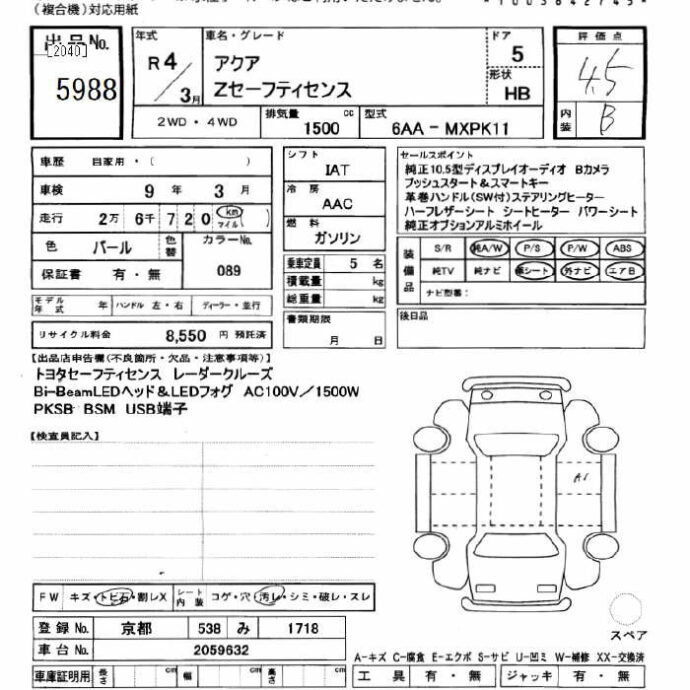
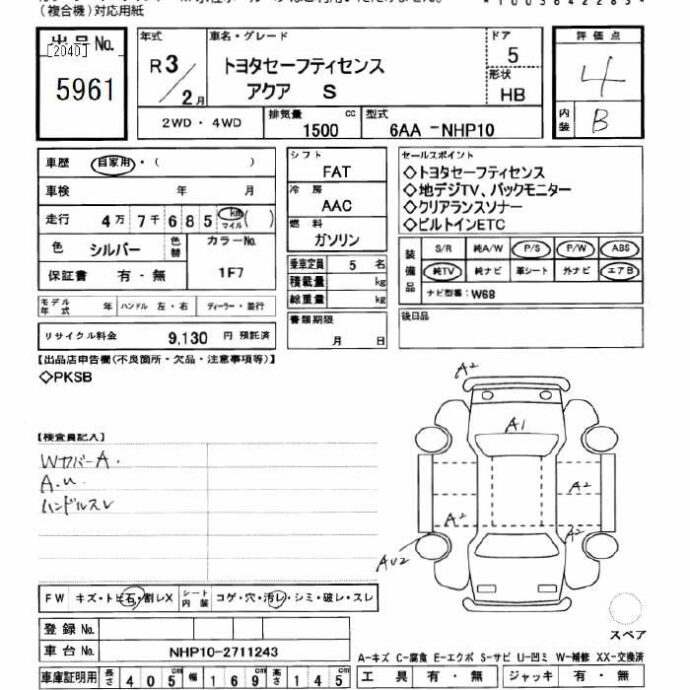
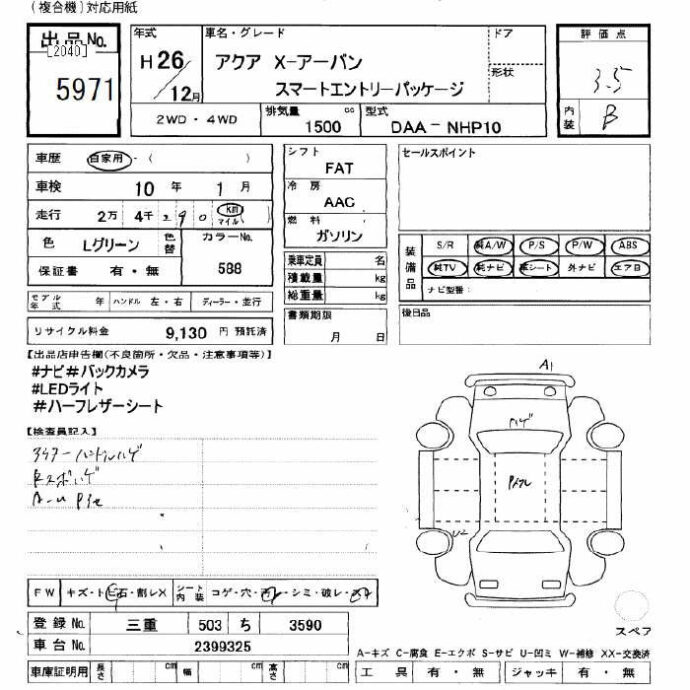
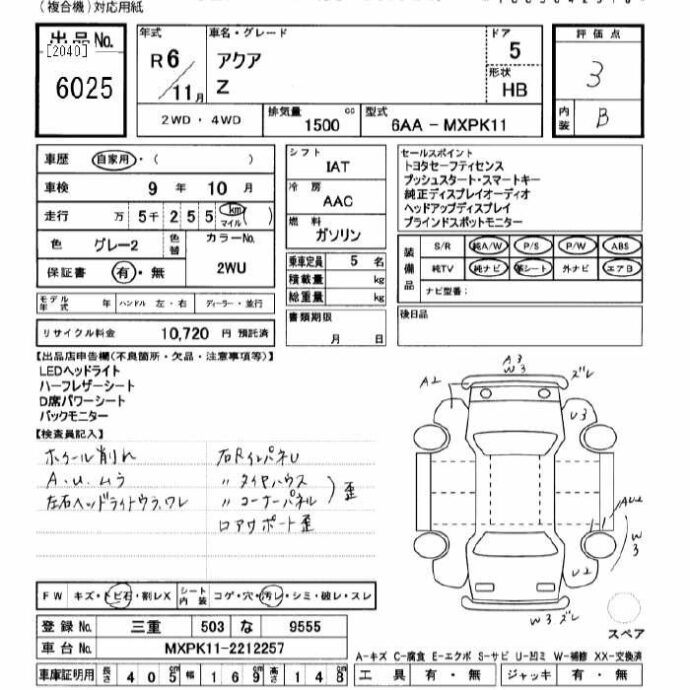
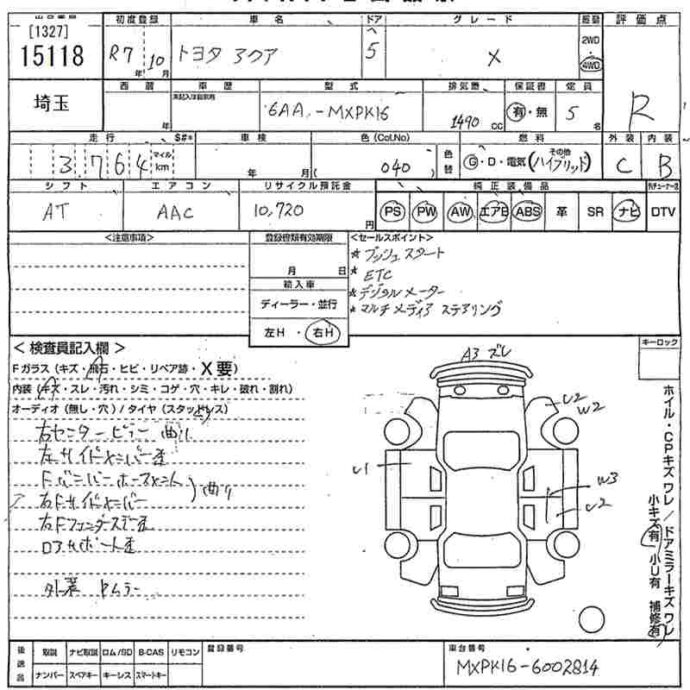
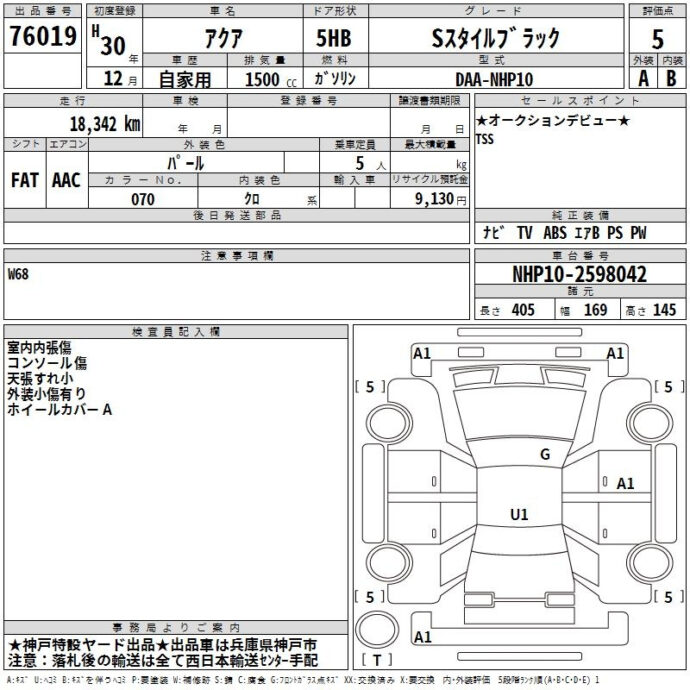
Japanese auction sheets can vary slightly depending on the auction house, but they generally follow a consistent structure that gives buyers a clear overview of the vehicle. Each sheet includes the listing lot number along with the vehicle’s make, model, and specific grade or variant. It also shows the overall condition grade of the car as well as a separate interior grade, helping buyers quickly assess quality. Key features and inclusions such as power windows, power steering, airbags, leather seats, navigation systems, and entertainment options are usually listed. Technical details like engine displacement, fuel type (such as petrol or diesel), and transmission type (automatic or manual) are also provided. In addition, the sheet contains vehicle registration information, including the year and sometimes the month of first registration, along with whether the car is right-hand drive or left-hand drive. Special features or “sales points” may be highlighted to attract buyers. Finally, one of the most important sections is the condition diagram, which marks the location and type of any defects such as scratches, dents, rust, or previous repairs, giving a visual understanding of the car’s condition.
What Are Japan Auction Grades?

Japanese car auctions use a standardized grading system to quickly communicate the condition of a vehicle. Each car is inspected before it goes on sale, and the inspector assigns:

  • An overall grade (usually between 0 and 6, or S)
  • An interior grade (A to E)
  • A condition report with diagrams and notes

The goal is simple: help buyers understand the quality of the car without physically seeing it.

However, while the system is structured, it is not perfectly uniform across all auction houses. That means understanding how to interpret grades correctly is just as important as knowing what they mean.

Why Auction Grades Matter for NZ Buyers

When importing a car into New Zealand, you are making a decision based largely on:

  • Photos
  • Auction sheet details
  • Auction grade

Unlike buying locally, you cannot test drive the car before purchase. This makes auction grades extremely important.

A good understanding of grades helps you:

  • Avoid poorly maintained vehicles
  • Balance budget with quality
  • Reduce unexpected repair costs
  • Choose cars that will pass compliance smoothly

For businesses like yours or platforms like Moku, this knowledge directly impacts customer trust and satisfaction.

Complete Breakdown of Auction Grades

Grade S – Brand New Condition

Grade S is reserved for vehicles that are almost identical to new cars. These typically have:

  • Extremely low mileage (often under 10,000 km)
  • No visible wear or damage
  • Perfect interior and exterior condition

These cars are often showroom-quality and priced accordingly. While attractive, they may not always be the best value if your goal is affordability.

Grade 6 – Near Perfect

Grade 6 vehicles are also very close to new. The difference between Grade S and 6 is minimal and often relates to slight usage.

  • Very low mileage
  • Almost no wear
  • Excellent mechanical condition

These are premium imports and less common in budget-focused buying.

Grade 5 – Excellent Condition

Grade 5 vehicles are in excellent condition and are a popular choice for buyers who want near-new quality at a slightly lower price.

  • Minor, barely visible imperfections
  • Clean interior
  • Low mileage

These cars are ideal for customers looking for a premium feel without paying brand-new price.

Grade 4.5 – Very High Quality

This grade represents vehicles that are extremely well maintained but may show very slight signs of use.

  • Light wear such as tiny scratches
  • Clean interior with minimal aging
  • Strong mechanical condition

For New Zealand buyers, this is often considered a safe and reliable option.

Grade 4 – Best Value Option

Grade 4 is the most common and widely recommended category for imports.

  • Minor scratches or small dents
  • Interior in good condition with light wear
  • Mechanically sound

This is where most smart buyers focus. It offers the best balance between price and condition, especially for models like Toyota Aqua, Prius, Mazda Axela, and Honda Fit.

Grade 3.5 – Budget-Friendly Choice

Grade 3.5 vehicles show more noticeable wear but are still functional and usable.

  • Visible scratches or dents
  • Interior wear such as stains or fading
  • May require minor repairs or detailing

This grade is ideal for buyers with tighter budgets who are willing to accept cosmetic imperfections.

Grade 3 – Lower Condition

Vehicles in this category have clear signs of aging and use.

  • Multiple visible damages
  • Interior wear is more obvious
  • Possible mechanical concerns

These cars can still be usable but require careful inspection and cost consideration.

Grade 2 – Poor Condition

Grade 2 vehicles are generally in poor condition.

  • Heavy wear and tear
  • Damage or neglect
  • Likely need repairs

These are usually avoided unless the price is extremely low and the buyer understands the risks.

Grade 1 / 0 / RA – Accident or Major Issues

These grades indicate serious concerns:

  • Accident history
  • Structural repairs
  • Flood or severe damage

RA specifically refers to repaired accident vehicles. These cars can be risky and are generally not recommended for standard buyers.

In addition to the overall grade, each vehicle receives an interior rating:

  • A: Like new
  • B: Very clean
  • C: Average condition
  • D: Worn or dirty
  • E: Poor condition

A combination like “4B” means a good overall vehicle with a clean interior. A “3C” would indicate average condition inside and out.

Understanding the Auction Sheet

Every auction vehicle comes with a detailed inspection sheet. This document is one of the most valuable tools when selecting a car.

It typically includes:

  • Inspector comments (usually in Japanese)
  • A diagram of the car
  • Symbols indicating damage
  • Notes on mechanical condition

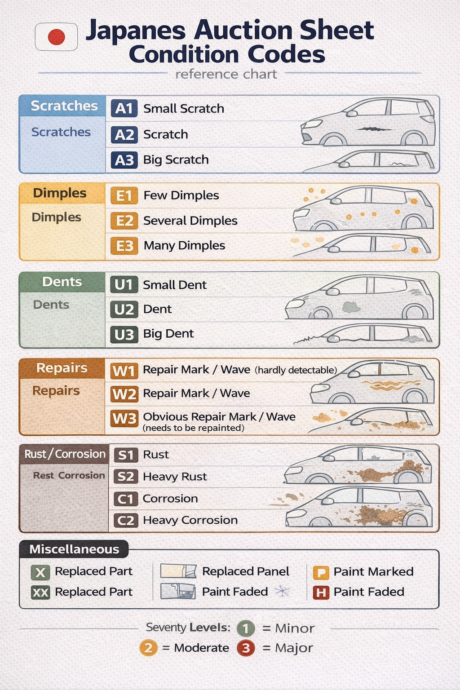
Inspectors use letters and numbers to mark issues:

  • A = Scratch
  • U = Dent
  • W = Repaired
  • S = Rust
  • C = Corrosion

Numbers indicate severity:

  • 1 = Minor
  • 2 = Moderate
  • 3 = Major

For example:

  • A1 means a small scratch
  • U2 means a noticeable dent

Understanding these symbols allows you to go beyond the grade and see the real condition of the car.

Important Reality: Grades Are Not Always Consistent

One of the most important things to understand is that auction grading is not perfectly standardized.

  • A Grade 4 at one auction may feel like a 3.5 at another
  • Some inspectors are stricter than others
  • Different auction houses follow slightly different standards

This is why experienced buyers always check:

  • Photos
  • Auction sheet comments
  • Exporter insights

Grades are a guide, not a guarantee.

How to Choose the Right Grade for Your Budget

For New Zealand buyers, the ideal grade depends on budget and expectations.

If you are looking for reliability and value:

  • Grade 4 or 4.5 is the best choice

If you want a premium feel:

  • Grade 4.5 or 5

If you are working with a tight budget:

  • Grade 3.5 can still be a smart option

If you want to minimize risk:

  • Avoid Grade 2 and RA vehicles

For models like Toyota Aqua within a $10,000 budget, you will often choose between:

  • A Grade 4 older model
  • A Grade 3.5 newer model

In most cases, condition matters more than shape or year.

Common Mistakes Buyers Make

Many first-time buyers misunderstand auction grades. Some common mistakes include:

Choosing based only on grade
Ignoring the auction sheet
Not checking interior condition
Focusing only on price
Assuming all Grade 4 cars are identical

Avoiding these mistakes can save thousands in unexpected repairs.

How Auction Grades Impact Pricing

Auction grades directly influence vehicle prices.

  • Higher grades mean higher demand and higher prices
  • Lower grades reduce price but increase risk

For example:

A Grade 4 Toyota Aqua may cost slightly more than a Grade 3.5, but it often requires less work after import. This can actually make it cheaper in the long run.

Auction Grades and NZ Compliance

Another key factor is compliance in New Zealand.

Vehicles must pass inspection before being registered. Higher-grade cars:

  • Are more likely to pass easily
  • Require fewer repairs
  • Reduce compliance costs

Lower-grade vehicles may:

  • Need panel repairs
  • Require cleaning or detailing
  • Increase time and cost before registration

Practical Strategy for Smart Buyers

The smartest approach is not chasing the highest grade but finding the best value.

A balanced strategy includes:

  • Targeting Grade 4 vehicles
  • Checking auction sheet details carefully
  • Reviewing photos closely
  • Asking for translation if needed
  • Considering total landed cost, not just auction price

This approach ensures you get a reliable car without overspending.

Japan auction grades are one of the most powerful tools available when buying a car for import. They provide a quick snapshot of a vehicle’s condition, but they should never be used in isolation.

The real skill lies in combining:

  • Auction grade
  • Inspection sheet details
  • Photos
  • Market knowledge

For New Zealand buyers, especially those importing vehicles for personal use or resale, understanding this system can make the difference between a great deal and an expensive mistake.

In simple terms, if you remember one thing, let it be this:

A well-checked Grade 4 car is often better than a risky higher-grade car you do not fully understand.