One of the most common concerns among buyers considering an Audi in New Zealand is the cost of maintenance. Audi is a premium European brand known for its advanced engineering, refined performance, and high-quality interiors, but this often leads to the perception that ownership is expensive. While it is true that maintaining an Audi is generally more costly than owning a standard Japanese vehicle, the reality is more nuanced. With the right approach, ownership can be both manageable and rewarding.
Audi vehicles are designed with precision engineering and sophisticated technology, which is a major reason behind their performance and driving experience. However, this also means that they require a higher level of care compared to simpler vehicles. Components are often more complex, and servicing must be carried out correctly to maintain performance and reliability. This is why Audi ownership should be approached with an understanding of how these vehicles are built and maintained.
One of the biggest factors influencing maintenance cost is the type of vehicle you choose. Smaller models such as the Audi A3 generally have lower running costs, while larger vehicles like the Audi Q7 or performance variants can be significantly more expensive to maintain. Engine size, drivetrain systems such as Quattro all-wheel drive, and additional features all play a role in determining servicing and repair costs. Buyers who match the vehicle to their actual needs often find that ownership becomes much more cost-effective over time.
Another important factor is the condition and history of the vehicle at the time of purchase. In New Zealand, many Audi vehicles are imported from Japan, and this can be a major advantage. Japanese imports are typically well maintained, have lower mileage, and come with detailed inspection reports. Choosing a clean, well-documented vehicle significantly reduces the risk of unexpected repair costs. On the other hand, purchasing a poorly maintained vehicle may result in ongoing issues that quickly increase ownership costs.
Regular servicing is one of the most important aspects of keeping maintenance costs under control. Audi vehicles benefit from consistent and timely servicing, including oil changes, filter replacements, and system checks. Skipping or delaying maintenance can lead to larger mechanical issues that are far more expensive to fix. Many experienced Audi owners in New Zealand follow a strict servicing schedule, which helps preserve both performance and reliability over the long term.
One practical strategy that can make a significant difference is choosing the right workshop. Not all mechanics are equally experienced with European vehicles, and taking your Audi to a general repair shop may not always deliver the best results. In New Zealand, there are specialised workshops that focus on European brands, and these often provide better diagnostics and more efficient repairs. While dealership servicing can be more expensive, independent European specialists can offer a good balance between quality and cost.
Parts availability is another area that affects maintenance costs. Genuine Audi parts can be expensive, but there are also high-quality aftermarket options available in New Zealand. Experienced mechanics can advise on when it is appropriate to use aftermarket parts without compromising performance or safety. This can help reduce costs without sacrificing reliability. Additionally, some owners choose to source parts directly when possible, which can further lower expenses.
Fuel efficiency is often overlooked when discussing maintenance, but it plays a role in overall ownership cost. Smaller Audi models tend to be more fuel-efficient, while larger SUVs and performance models consume more fuel. Choosing a model that aligns with your daily driving habits can have a noticeable impact on your long-term expenses. For example, using a large SUV for short city trips may not be the most economical choice, whereas a compact model would be more efficient.
Insurance is another cost that buyers should factor in. Audi vehicles typically have higher insurance premiums due to their value and repair costs. However, this varies depending on your driving history, location, and usage. Comparing insurance providers and selecting the right policy can help manage this expense effectively.
A key point that many buyers overlook is the importance of preventative maintenance. Addressing small issues early can prevent them from developing into larger, more expensive problems. For example, replacing worn components before they fail can avoid damage to other parts of the vehicle. Owners who take a proactive approach often experience fewer unexpected costs and more consistent performance from their vehicles.
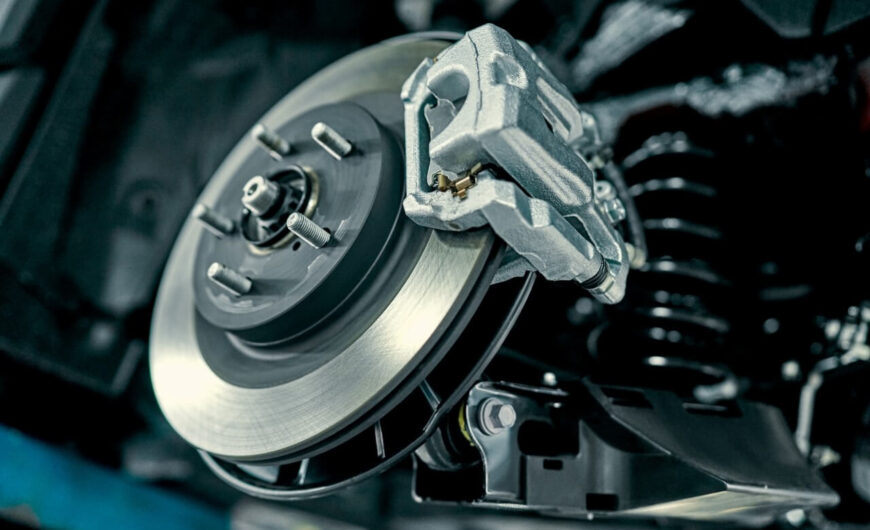
Driving style also plays a role in maintenance costs. Aggressive driving, frequent hard braking, and poor road conditions can accelerate wear and tear on components such as brakes, tyres, and suspension systems. Adopting a smoother driving style not only improves fuel efficiency but also reduces the frequency of repairs and replacements.
Technology in modern Audi vehicles adds another dimension to maintenance. Advanced infotainment systems, sensors, and driver assistance features enhance the driving experience but can be costly to repair if issues arise. Ensuring that software updates and diagnostics are carried out regularly can help maintain these systems and prevent faults.
Despite the higher maintenance requirements, many drivers in New Zealand find that owning an Audi is worth the investment. The combination of comfort, performance, and design creates a driving experience that stands out from standard vehicles. For those who value these qualities, the additional costs are often justified by the overall satisfaction of ownership.
There are several practical ways buyers can minimise maintenance costs while still enjoying the benefits of owning an Audi. Choosing a low-mileage vehicle with a strong service history is one of the most effective steps. Planning your budget to include regular servicing and setting aside a small contingency for unexpected repairs can also provide peace of mind. Using tools such as the BidCompass calculator to understand the total cost of ownership before purchasing helps ensure that you make a financially informed decision.
In the New Zealand market, buyers who approach Audi ownership with the right expectations and preparation tend to have the best experience. Understanding that maintenance costs are part of owning a premium vehicle allows you to plan accordingly and avoid surprises. When managed properly, these costs become predictable and manageable rather than overwhelming.
In summary, Audi cars are more expensive to maintain than average vehicles, but they are not prohibitively expensive when approached correctly. The key lies in choosing the right vehicle, maintaining it properly, and making informed decisions throughout the ownership journey. For buyers who prioritise quality, performance, and a refined driving experience, Audi remains a compelling option in New Zealand.
If you are considering purchasing an Audi, you can explore available vehicles here:
https://moku.nz/used-cars-nz/audi/ and take the first step towards owning a premium vehicle with confidence.