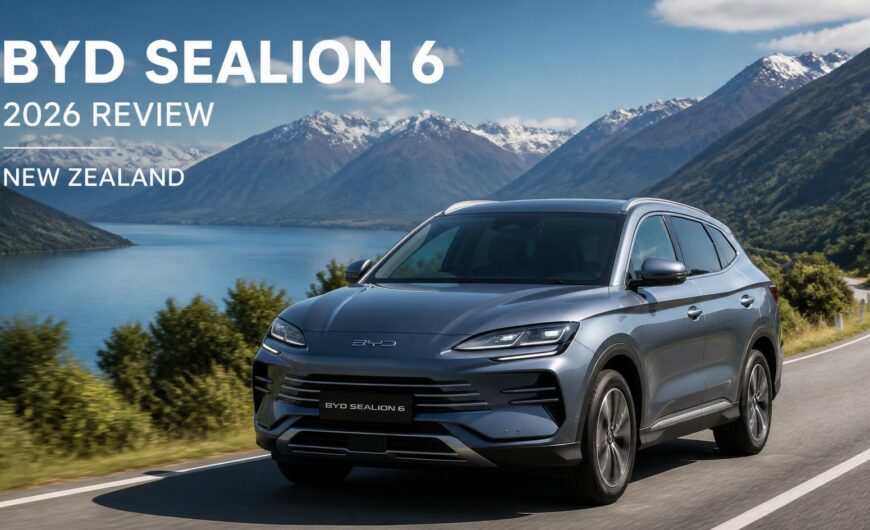
BYD Sealion 6 Review NZ is becoming an important search for Kiwi buyers who want an SUV that offers electric driving without fully depending on public charging. As fuel prices, family running costs and emissions awareness continue to influence car buying decisions in New Zealand, plug-in hybrid SUVs are gaining serious attention. The BYD Sealion 6 sits in that space as a medium SUV with petrol-electric flexibility, modern technology and a strong value proposition for families, commuters and lifestyle buyers.
For many New Zealand drivers, the ideal vehicle needs to handle Auckland traffic during the week, school runs in the suburbs, weekend shopping, longer drives to the Coromandel or Rotorua, and occasional holiday travel across the country. A full EV can be excellent for the right owner, but not everyone has easy home charging or wants to plan longer trips around charging stops. A traditional petrol SUV is familiar, but fuel costs can be high. The Sealion 6 aims to sit between both worlds.
This review looks at the BYD Sealion 6 from a New Zealand buyer’s perspective, covering price, practicality, hybrid performance, comfort, safety, ownership costs and who should consider it.
BYD Sealion 6 Review NZ: What Is It?
The BYD Sealion 6 is a medium plug-in hybrid SUV. Unlike a normal hybrid, a plug-in hybrid can drive meaningful distances using electric power alone when the battery is charged. When the battery level drops or more power is needed, the petrol engine supports the vehicle. This makes it attractive for drivers who want low-cost electric commuting during the week while still having petrol backup for longer road trips.
In the New Zealand market, this gives the Sealion 6 a practical advantage. Many Auckland-based drivers cover short daily distances between home, school, work and shops. If they can charge at home, a large portion of their weekly driving may be completed using electric power. For longer journeys, the petrol engine removes the range anxiety some buyers still associate with fully electric vehicles.
For buyers comparing SUVs on Moku, the Sealion 6 is worth shortlisting because it offers a different ownership style from regular petrol SUVs and non-plug-in hybrids.
Price and Value in New Zealand
Price is one of the strongest reasons the BYD Sealion 6 is attracting attention. It is positioned as a feature-rich medium SUV rather than a budget compact crossover. Depending on variant and specification, it competes with popular hybrid and family SUVs from Toyota, Mitsubishi, Kia, Hyundai and Honda.
The key value point is that buyers are not only paying for size. They are also getting plug-in hybrid technology, electric-only driving capability, strong standard equipment, modern cabin design and advanced safety features. For families who want a newer SUV with lower running costs, this can make the Sealion 6 feel more appealing than buying a used premium SUV with higher fuel and maintenance costs.
However, buyers should consider the total cost carefully. The final drive-away cost may include on-road costs, optional paint, accessories, insurance and finance charges. Before committing, it is worth checking available stock, warranty terms and finance options through a trusted dealer or finance provider. You can also review your buying pathway through how Moku works.
Performance and Driving Experience
The BYD Sealion 6 is designed more for smooth everyday performance than sporty handling. In city driving, the electric motor helps deliver quiet and responsive acceleration. This is useful in Auckland traffic, where stop-start driving can make conventional petrol SUVs feel less refined and less efficient.
At lower speeds, the vehicle can feel close to an EV when the battery has enough charge. The cabin remains quiet, acceleration is smooth, and there is less of the engine noise many drivers associate with larger petrol SUVs. On open roads, the petrol engine and hybrid system work together to provide enough power for overtaking and longer-distance cruising.
For most Kiwi families, the Sealion 6 should feel comfortable rather than aggressive. It is not aimed at buyers who want a performance SUV. Instead, it suits people who value refinement, low-speed smoothness, fuel savings and relaxed long-distance driving.
Electric Range and Fuel Efficiency
The biggest benefit of the Sealion 6 is its plug-in hybrid system. For drivers who charge regularly, daily fuel use can be significantly reduced. Short commutes, school drops and local errands may be handled mostly using electric power. This can make a noticeable difference for households that previously used a petrol SUV every day.
Real-world efficiency will depend heavily on charging habits. A plug-in hybrid delivers its best value when the owner charges it consistently. If it is used like a normal petrol car without regular charging, the benefit becomes smaller. Buyers should therefore ask a simple question before purchasing: can I charge at home or work most days?
For homeowners with off-street parking, the Sealion 6 makes strong practical sense. Apartment dwellers or renters without reliable charging access may still benefit from the hybrid system, but they may not achieve the full fuel-saving potential. This is an important point for New Zealand buyers to consider before choosing any plug-in hybrid SUV.
Interior Comfort and Practicality
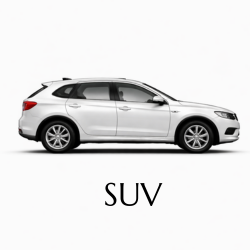
The interior is one of the main selling points of the BYD Sealion 6. The cabin feels modern, spacious and family-friendly. The SUV body style gives a higher driving position, easy access for children and good everyday practicality. For family buyers, this matters more than headline performance figures.
Rear-seat comfort is important for New Zealand households using the vehicle for school runs, sports activities and longer family trips. The Sealion 6 offers the kind of space expected from a medium SUV, making it more practical than smaller urban crossovers. Boot space should be suitable for weekly shopping, prams, school bags and weekend luggage.
The cabin technology is also a major appeal. BYD vehicles are known for large infotainment screens, modern dashboard layouts and generous equipment. For buyers moving from an older petrol SUV, the Sealion 6 will feel like a major upgrade in terms of interface, comfort and convenience.
Safety Features for Kiwi Families
Safety is a key factor for SUV buyers in New Zealand, especially for families. The BYD Sealion 6 includes a broad safety suite, with features such as blind spot monitoring, parking sensors and driver assistance technology available across the range depending on variant.
These features are useful in real New Zealand driving conditions. Blind spot monitoring helps during motorway lane changes, parking sensors support tight shopping centre spaces, and driver assistance systems can reduce fatigue during longer journeys. For Auckland families dealing with heavy traffic, narrow driveways and busy school zones, this technology adds practical everyday value.
As always, buyers should check the exact safety specification of the variant they are purchasing. Not every feature may be standard across every grade, and dealer stock can vary.
Ownership Costs and Finance Considerations
The Sealion 6 can reduce fuel costs for the right user, but ownership should be assessed as a complete package. Buyers should consider purchase price, finance payments, insurance, servicing, tyres, charging cost and long-term resale value.
Plug-in hybrid ownership works best when the buyer has predictable driving patterns and regular charging access. For example, a family doing 30–60 km per day around Auckland may benefit more than someone doing long highway trips without charging. Electricity is usually cheaper than petrol per kilometre, but the savings depend on how often the vehicle runs in electric mode.
Because the Sealion 6 is a newer model in the market, resale value will become clearer over time. BYD’s brand presence is growing in New Zealand, which should help buyer confidence, but traditional brands like Toyota and Honda still have very strong used-market recognition. Buyers planning to keep the SUV for four to six years may be better positioned than those intending to sell very quickly.
If you are considering monthly payments, compare loan options carefully through car finance guidance before deciding.
Insurance and Maintenance
Insurance costs for newer hybrid and plug-in hybrid SUVs can vary depending on vehicle value, repair costs, parts availability and driver profile. The Sealion 6 includes advanced technology and battery components, so buyers should get an insurance quote before finalising the purchase.
Maintenance should be more straightforward than many buyers expect, as plug-in hybrids still have petrol engines but can experience less engine use when charged regularly. However, servicing must follow the manufacturer’s schedule, and buyers should use authorised or qualified service centres familiar with BYD technology.
Before buying, compare insurance options and understand what is covered. Moku’s car insurance guide can help buyers think through the right questions.
Who Should Buy the BYD Sealion 6?
The BYD Sealion 6 is best suited to buyers who want an efficient family SUV but are not ready to move fully electric. It is especially suitable for Auckland and urban New Zealand drivers who can charge at home, travel moderate daily distances and want petrol backup for longer trips.
It is also a good fit for families upgrading from an older petrol SUV. The lower daily fuel use, quieter drive and modern cabin can make ownership feel more premium without moving into luxury SUV pricing.
However, it may not be the best choice for everyone. Buyers without reliable charging access may find a regular hybrid more convenient. Drivers who want maximum resale confidence may still prefer established Toyota hybrid models. Those wanting a lower upfront price may consider used SUVs or compact hybrids instead.
BYD Sealion 6 vs Traditional Hybrid SUVs
Compared with a traditional hybrid SUV, the Sealion 6 offers the benefit of plug-in electric driving. This means greater potential fuel savings if charged regularly. A normal hybrid is simpler because it does not require charging, but it cannot usually travel the same distance on electric power alone.
This makes the decision largely dependent on lifestyle. If you have home charging and predictable daily travel, the Sealion 6 may offer better running-cost potential. If you do not want to plug in a vehicle, a Toyota RAV4 Hybrid, Honda ZR-V Hybrid or similar model may feel easier to own.
Final Verdict: Is the BYD Sealion 6 Worth It in NZ?
The BYD Sealion 6 is one of the most interesting medium SUVs for New Zealand buyers in 2026. It combines SUV practicality, plug-in hybrid efficiency, modern technology and petrol backup in one package. For families who can charge regularly, it has the potential to significantly reduce everyday fuel use while still remaining practical for long-distance New Zealand driving.
Its strongest appeal is flexibility. It gives buyers a taste of EV driving without forcing them to fully depend on charging infrastructure. That makes it a smart middle-ground option for Kiwi households transitioning away from traditional petrol SUVs.
The main buying advice is simple: choose the Sealion 6 if your lifestyle suits plug-in hybrid ownership. If you can charge at home, drive mostly around town and want a comfortable family SUV, it deserves serious consideration. If you cannot charge regularly, compare it carefully against standard hybrids before making a decision.
For buyers ready to compare options or discuss the right SUV for their needs, visit Moku contact and get guidance before purchasing. If you are upgrading from your current vehicle, you can also review options through sell my car.
FAQs About the BYD Sealion 6 Review NZ
Is the BYD Sealion 6 good for New Zealand families?
Yes, the BYD Sealion 6 is a strong option for New Zealand families who want a spacious SUV with lower daily running costs. It offers good practicality, modern technology and petrol-electric flexibility for both city driving and longer trips.
Is the BYD Sealion 6 fully electric?
No, the BYD Sealion 6 is a plug-in hybrid SUV. It can drive on electric power when charged, but it also has a petrol engine for longer journeys or when extra power is required.
Who should consider buying the BYD Sealion 6 in NZ?
It suits buyers who can charge at home or work, drive regular daily distances and want a practical SUV with reduced fuel use. It is ideal for families who are not ready to move to a full EV.
Is the BYD Sealion 6 better than a normal hybrid SUV?
It can be better for buyers who charge regularly because it offers more electric-only driving potential. However, a normal hybrid may be easier for drivers who do not have regular charging access.