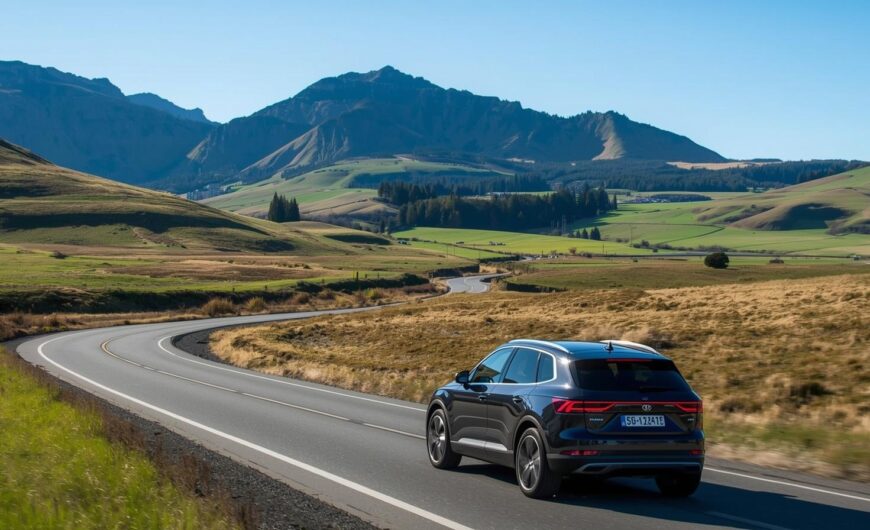
Driving in NZ offers incredible scenery, modern motorways, and well-maintained highways — but it also comes with unique rules, road conditions, and safety expectations. Whether you’re a new resident, international visitor, or first-time driver, understanding New Zealand’s road system is critical for staying safe and compliant.
This 2026 guide explains everything you need to know about driving legally and confidently across Auckland and nationwide.

Driving on the Left in New Zealand
One of the most important fundamentals of driving in NZ is that vehicles travel on the left-hand side of the road. The driver sits on the right-hand side of the vehicle.
This adjustment is particularly important for visitors from countries where driving on the right is standard.
Speed Limits in NZ
Speed limits are strictly enforced through mobile patrols and fixed cameras.
Typical Speed Limits
- Urban areas: 50 km/h
- Motorways: 100 km/h
- Selected expressways: 110 km/h
- School zones: 30–40 km/h (variable)
Auckland motorways such as SH1 and SH16 use variable electronic speed signs during congestion or poor weather.
Licence Requirements
To legally begin driving in NZ, you must hold:
- A valid NZ driver licence, or
- An overseas licence (valid for up to 12 months)
New Zealand operates a Graduated Driver Licensing System (GDLS):
- Learner Licence
- Restricted Licence
- Full Licence
Each stage includes specific conditions and testing requirements.
Road Conditions Across NZ
Road quality varies depending on region. Auckland features multi-lane motorways and high-traffic corridors. In contrast, rural South Island roads may include narrow, winding sections with limited lighting.
Common Hazards
- Sharp rural bends
- Single-lane bridges
- Livestock crossings
- Heavy rain reducing visibility
Drivers should adjust speed to suit conditions rather than relying solely on posted limits.
Understanding Auckland Traffic
Auckland experiences the highest congestion levels in New Zealand.
Peak Traffic Periods
- Weekdays: 6:30–9:00am
- Evenings: 4:00–6:30pm
Planning travel outside peak hours can significantly reduce commute times. Navigation apps with real-time updates are strongly recommended.
If you’re considering upgrading your vehicle for city commuting, explore ownership insights on Moku NZ.
Roundabouts and Give Way Rules
Roundabouts are common throughout NZ.
Key Rule:
Give way to traffic coming from your right.
At intersections without signals, always follow posted give way or stop signs. Misunderstanding these rules is a frequent cause of minor collisions.
Drink Driving Laws
New Zealand enforces strict drink-driving limits:
- Drivers under 20: Zero alcohol limit
- Drivers 20+: 250 micrograms per litre of breath (low limit)
Penalties include fines, licence suspension, and possible criminal conviction.
Mobile Phone Use
Using a handheld phone while driving in NZ is illegal. Hands-free systems are permitted but should be used cautiously.
Road Trips and Long-Distance Driving
New Zealand is famous for scenic drives — from the Coromandel Peninsula to Milford Sound.
Road Trip Safety Tips
- Check fuel levels frequently (rural gaps exist)
- Monitor weather forecasts
- Allow extra travel time
- Carry emergency supplies
Before long trips, ensure your vehicle is serviced and tyres are in good condition. You can contact our team via the contact page for guidance on suitable road trip vehicles.
Insurance and WOF Requirements
While third-party insurance is not legally required, it is strongly recommended.
All vehicles must display:
- Current registration (rego)
- Valid Warrant of Fitness (WOF)
Police may issue fines for non-compliance.
Driving in NZ During Winter
Winter conditions vary significantly across regions.
- Frost and black ice common in inland South Island
- Heavy rainfall in Auckland and Northland
- Snow chains may be required in alpine passes
Always check NZTA travel alerts before heading into mountainous areas.
EV and Hybrid Considerations
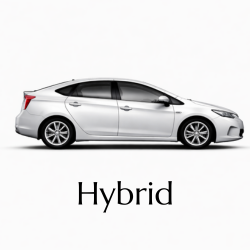
For those driving electric vehicles, charging infrastructure is expanding rapidly. Planning charging stops in advance ensures smoother long-distance travel.
Hybrid vehicles remain popular in Auckland due to fuel efficiency in stop-start traffic conditions.
Frequently Asked Questions
1. Is driving in NZ difficult for tourists?
It can be challenging due to left-side driving and winding rural roads, but proper preparation makes it manageable.
2. What is the motorway speed limit in NZ?
Most motorways have a 100 km/h limit, with some expressways allowing 110 km/h.
3. Do I need insurance to drive in NZ?
Insurance is not legally mandatory but strongly recommended for financial protection.
4. Can I use my overseas licence?
Yes, for up to 12 months from arrival, provided it is current and valid.
Final Thoughts
Driving in NZ is generally safe and straightforward when you understand the rules and adjust to local conditions. Auckland drivers must manage congestion, while regional motorists should remain alert to rural hazards.
By staying informed, planning journeys carefully, and maintaining your vehicle properly, you can enjoy New Zealand’s roads with confidence in 2026 and beyond.