
Driving on Rural Roads in New Zealand: A Practical Safety Guide
New Zealand’s most memorable drives often begin where the motorway ends. Rural routes can lead through farmland, native bush, alpine valleys and remote coastlines, but they also demand more judgement than a familiar urban commute. A road that looks short on a map may be narrow, winding, unsealed or exposed to sudden weather changes.
NZ Transport Agency guidance for visitors warns that many New Zealand roads run through hills and mountains, and some are unsealed gravel. The safest approach is to plan around the road itself rather than treating the posted speed limit or navigation-app arrival time as a target.
This guide explains the practical skills behind rural road driving in NZ: reading corners, controlling speed on gravel, using one-lane bridges and passing lanes, sharing the road with livestock and heavy vehicles, and preparing your car for places where help may be some distance away.
Key principle: Drive so you can stop safely within the clear road you can see. On a blind corner, crest or narrow lane, assume there may be a cyclist, animal, tractor, stopped vehicle or loose gravel just beyond your view.
Why rural NZ roads require a different mindset
A 100 km/h sign is a maximum legal limit, not a recommendation for every bend or condition. Your safe speed may be much lower because of visibility, surface grip, traffic, weather, road width or the vehicle you are driving. NZTA identifies speed as a major contributor to serious road harm, and rural roads give drivers less room to correct a poor decision.
Distances can also be deceptive. A route may involve repeated corners, slow vehicles, roadworks and few passing opportunities. Build in a generous time margin. Pressure to recover a delayed arrival is exactly what encourages unsafe cornering and overtaking.
Before leaving the sealed highway
A short pre-trip check can prevent a small issue becoming a remote-road problem. Confirm the route, weather, fuel or battery range, mobile coverage limitations and any road closures. Tell someone your intended route if you are travelling into a particularly isolated area.
- Tyres. Check pressure when cold, usable tread and visible damage. Include the spare wheel or repair kit, jack and wheel-lock key.
- Fluids and visibility. Check fuel, engine oil, coolant and washer fluid, then clean the windscreen, mirrors, lights and reversing camera.
- Emergency basics. Carry drinking water, warm layers, a torch, phone charging cable, first-aid kit and any essential medication.
- Navigation backup. Download offline maps or carry written directions because mobile data may disappear between settlements.
- Weather and road status. Check MetService warnings and NZTA Journey Planner information shortly before departure, not only the night before.
If the vehicle is new to you, work through a proper used-car inspection checklist before relying on it for a remote journey. Tyres, brakes, cooling, lights and the spare-wheel equipment matter far more away from a city workshop.
How to drive safely on gravel roads
Loose gravel reduces grip and increases stopping distance. It can also create corrugations, potholes, dust and stones thrown by other vehicles. Slow down before entering the unsealed section, leave a much larger following gap and keep every control input smooth.
- Brake before the corner. Finish most of your slowing while travelling straight, then use a steady speed through the bend.
- Avoid sudden steering. Sharp inputs can overload the limited grip and start a slide.
- Use a lower gear downhill. Engine braking helps control speed and reduces continuous pressure on the brakes.
- Expect the surface to change. Grip can vary between compacted wheel tracks, deeper loose stones, shaded damp areas and bridge approaches.
- Protect your visibility. Increase the gap behind vehicles creating dust, and slow down before meeting oncoming traffic to reduce stone damage.
If the car begins to slide, look where you want to go, ease off the accelerator and avoid stamping on the brake or making a sudden steering correction. Electronic stability control can help, but it cannot create grip that the tyres and surface do not have.
One-lane bridges: read the signs before entering
One-lane bridges are common on rural routes. Slow down early, identify the priority signs and check that the bridge is clear. The red arrow on the sign shows the direction that must give way; the larger white arrow shows the direction with priority. Priority does not remove the duty to avoid a collision.
Never race another vehicle to the entrance. If the bridge is long, curved or partly hidden, look for a vehicle already committed from the far side. Some bridges also carry railway lines or have narrow approaches, so obey all additional signs and markings.
Courtesy matters: A wave of thanks is welcome, but the safe sequence is to slow, read the sign, establish who must wait, check the full bridge and enter only when it is clearly available.
Corners, hills and narrow roads
Position the vehicle within your lane and resist cutting across the centre line, even when no traffic is visible. On a left-hand bend, cutting the corner exposes you to an oncoming vehicle; on a right-hand bend, drifting wide can put you off the road.
Approach every blind crest at a speed that allows for a stopped queue, animal or slow machine beyond it. On steep descents, select a lower gear before speed builds. Repeated heavy braking can heat the brakes and reduce their effectiveness.
Where a road is too narrow for two vehicles, slow early and use a safe passing bay or wider section. Avoid placing wheels on a soft shoulder unless you have confirmed it is firm. If reversing is required, communicate clearly and move slowly; the driver closest to a safe space may be best placed to use it, regardless of who arrived first.
Passing lanes and safe overtaking
A passing lane is the safest place to let faster traffic move ahead, but it is not a licence to accelerate aggressively. Keep left unless passing, signal before changing lanes and allow enough room before returning left. Do not wait until the lane is ending and then force a merge.
If vehicles are building behind you, maintain a steady safe speed and pull into a suitable stopping area when it is safe. Do not stop on a blind bend, narrow shoulder or loose verge. If you are behind a tractor, campervan or truck, wait for a clear legal opportunity instead of overtaking on limited visibility or relying on the other driver to make space.
Livestock, farm vehicles and wildlife
Rural traffic is not limited to cars. You may meet stock being moved along the road, tractors entering from paddocks, logging trucks, horses, cyclists and animals that behave unpredictably. Slow well before reaching them and follow any instructions from the farmer or traffic controller.
Avoid using the horn around livestock unless needed to prevent immediate danger. Do not rev the engine or squeeze through a moving herd. Watch for mud, manure and debris left on the surface, which can reduce grip after the animals have passed.
At dawn, dusk and night, scan the road edges for animals and reduce speed so the headlights cover your stopping distance. High beam helps on an empty road, but dip it early for oncoming traffic and when following another vehicle.
Weather can transform the same road
Heavy rain can hide potholes, wash gravel across the road and trigger slips or surface flooding. Strong winds affect exposed vehicles and can push branches onto the carriageway. Frost and black ice may remain in shaded valleys or on bridges after surrounding roads appear clear.
If visibility or grip deteriorates, reduce speed gradually, increase the gap and use headlights as required. Do not enter floodwater when depth, current or road condition is uncertain. Turn around and use a safe alternative; a delayed trip is cheaper than a damaged vehicle or rescue.
For cold-season travel, use Moku’s winter driving in NZ guide alongside current MetService warnings and NZTA road information. It covers frost, snow, visibility and vehicle preparation in more detail.
Choosing a suitable vehicle for rural travel
Most maintained public rural roads can be driven in an ordinary roadworthy car when conditions are suitable. Ground clearance, tyre condition and driver judgement often matter more than an all-wheel-drive badge. AWD may help the vehicle move on a loose surface, but it does not shorten braking distance or make excessive speed safe.
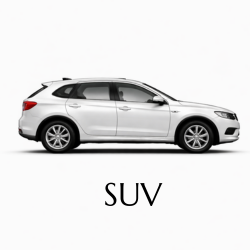
Families carrying luggage may value a stable SUV, good visibility and a full-size spare, while drivers covering long distances should prioritise seat comfort, safety technology and fuel or charging range. Confirm whether a route is a maintained public road before assuming a standard rental car or road tyre is appropriate.
Drivers comparing practical electrified SUVs can review Moku’s best hybrid SUVs in New Zealand for models that combine everyday efficiency with family-friendly space.
For a specific seven-seat option, the 2026 Mitsubishi Outlander review discusses petrol and plug-in hybrid choices for Kiwi families and longer trips.
Fuel, charging and total journey cost
Remote routes may have long gaps between fuel stations or public chargers. Begin with a realistic reserve and identify a backup stop. EV drivers should account for hills, low temperatures, wind, rain, gravel and cabin heating, all of which can increase energy use. Do not plan to arrive at the only charger with almost no remaining range.
Before selecting a vehicle for regular long-distance travel, compare the full car ownership costs in New Zealand rather than focusing only on fuel economy. Tyres, servicing, insurance, WoF, registration and depreciation all affect the real budget.
If an EV suits your route, Moku’s MG4 EV review provides a useful starting point for understanding an affordable electric hatchback’s range and charging considerations.
Rural-road hazard and response guide
| Hazard | What to do | Common mistake |
| Loose gravel | Slow before the surface change; steer and brake smoothly; increase following distance | Braking hard or turning sharply after grip is lost |
| Blind corner or crest | Set a speed that lets you stop within the visible clear road | Crossing the centre line or assuming the road is empty |
| One-lane bridge | Read priority signs, check the full bridge and wait when required | Racing another vehicle to the entrance |
| Slow vehicle | Wait for a legal clear pass or a passing lane | Overtaking with limited sight distance |
| Livestock | Slow early and follow the stock handler’s directions | Using the horn, revving or squeezing through |
| Flooding or slip | Stop at a safe distance and turn around if the route is uncertain | Entering water or unstable ground to save time |
| Fatigue | Stop in a safe place, rest and change drivers if possible | Relying on caffeine while continuing to drive |
Practical summary based on New Zealand road-safety guidance. Always follow current signs, temporary controls and emergency instructions.
What to do if you break down
Move as far off the traffic lane as safely possible, switch on hazard lights and keep occupants away from moving traffic. On a blind corner or narrow shoulder, staying inside a belted vehicle may be safer than standing beside it, unless there is fire, flood or another immediate danger. Call roadside assistance or emergency services as appropriate and describe the road name, direction of travel, nearest landmark and GPS location.
Do not attempt a repair where approaching drivers cannot see you. If there is no mobile service, conserve phone battery and decide carefully whether walking is safer than waiting. In remote or severe conditions, remaining with the vehicle usually makes you easier to locate and provides shelter.
Frequently asked questions
What speed should I drive on a gravel road in New Zealand?
There is no single safe gravel-road speed. Drive below the posted maximum whenever grip, visibility, corners, dust or road width require it. Enter the gravel section slowly, leave more space and make smooth steering and braking inputs.
Who gives way at a one-lane bridge in NZ?
The signs before the bridge determine priority. The direction shown by the red arrow must give way; the larger white arrow shows the direction with priority. Always confirm the bridge is clear before entering, even when you have priority.
Can I drive a normal car on rural gravel roads?
Usually, if the road is public, maintained, open and suitable for your vehicle and the current conditions. Check route restrictions, tyre condition, ground clearance and any rental or insurance exclusions before leaving sealed roads.
Does AWD make gravel-road driving safer?
AWD can improve traction when accelerating, but it does not overcome poor tyres, excessive speed or limited braking grip. Smooth inputs, appropriate speed and good tyres remain essential.
What should I do when traffic builds up behind me?
Keep a steady safe speed and use a safe pull-over area when available. Do not accelerate in a passing lane to prevent others passing, and never stop on a blind corner or weak shoulder.
How should I pass livestock on a rural road?
Slow early, follow the farmer or stock handler’s directions and be prepared to stop. Avoid sudden noise, revving or forcing a path through the animals.
What should I carry on a rural NZ road trip?
Carry water, warm clothing, a torch, first-aid supplies, a charged phone and cable, offline directions and the vehicle’s spare or repair equipment. Check fuel or battery range, weather and road conditions before leaving.
Are navigation-app travel times reliable on rural roads?
Treat them as estimates. Narrow roads, bends, gravel, roadworks, weather and slow vehicles can add substantial time. Plan breaks and a buffer so you never feel pressured to drive faster than conditions allow.
Final advice
Safe rural driving is less about bravery and more about margin. Leave extra time, slow before the hazard, keep the vehicle inside its lane and make decisions based on the road you can actually see. When gravel, weather or visibility removes that margin, reduce speed or turn back.
Planning your next vehicle or road trip? Explore Moku.nz for NZ-focused vehicle reviews, ownership guides and tools to help you choose a car that fits your real driving needs.