Japanese imported cars remain one of the most popular choices for New Zealand drivers because of their affordability, reliability, and fuel efficiency. Models from Toyota, Honda, Mazda, and Suzuki dominate the NZ used car market. However, before these vehicles can be sold legally, they must complete New Zealand’s vehicle compliance process.
Vehicle compliance is one of the most important protections for used car buyers in New Zealand. The process ensures that imported cars meet NZ safety and legal standards before registration. Without proper compliance checks, buyers could unknowingly purchase vehicles with hidden accident repairs, structural damage, rust, or unsafe modifications.
When a used imported vehicle arrives in New Zealand, it is sent to an entry certification centre. Inspectors carry out a detailed assessment covering structural safety, roadworthiness, identity verification, and regulatory standards. The goal is to ensure the vehicle is safe for New Zealand roads and complies with NZTA requirements.
Popular vehicles such as the Mazda CX-5, Toyota C-HR, Subaru Forester, and Honda Fit are commonly imported from Japan and go through these inspections before sale.
One major advantage of the NZ compliance system is structural integrity checking. Many Japanese auction vehicles have grading systems, but compliance inspectors still physically examine the chassis, frame rails, pillars, floor structure, and repair quality. This provides an additional layer of safety for NZ buyers.
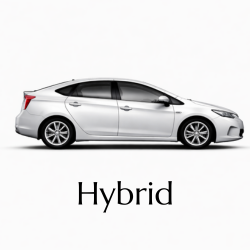
Hybrid and EV models also receive special attention during compliance inspections. Vehicles like the Toyota Aqua and Nissan Leaf are inspected for electrical safety systems and hybrid battery conditions. This is particularly important as hybrid and electric vehicles continue growing in popularity across Auckland and New Zealand.
Compliance also affects insurance and resale value. Cars with properly completed certification records are often easier to insure and maintain stronger resale prices. Buyers searching terms like “best used cars NZ,” “hybrid cars Auckland,” “cheap Toyota hybrids,” and “Japanese SUVs NZ” increasingly look for vehicles with transparent compliance histories.
Another key factor is odometer verification. Odometer fraud is a concern globally, so New Zealand’s compliance process helps verify mileage accuracy using Japanese export data and inspection records. This protects buyers looking for low-mileage imported vehicles.
For dealerships, maintaining strong compliance standards builds customer trust and long-term reputation. Customers are becoming more educated about auction grades, structural inspections, and import history, especially when purchasing online.
If you are planning to buy a used imported vehicle in New Zealand, ask these important questions:
- Has the vehicle passed NZ compliance?
- Was a structural inspection completed?
- Is the odometer verified?
- Are compliance documents available?
- Were any repairs identified during certification?
Official information about entry certification and standards can be found here: